Updated
Twenty-five mushrooms, and what to do with them
Taste, texture and how each one is cooked — and the few that must be cooked a particular way or not eaten at all.
Lion's mane
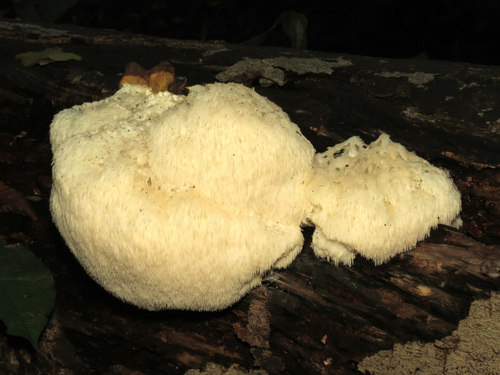
Hericium erinaceusMild and faintly sweet, often compared to crab or scallop — the comparison is about texture as much as flavour.
Torn into thick slabs and dry-fried until the water has gone, then browned in butter. It holds a lot of water and goes rubbery if you hurry it.
Reishi
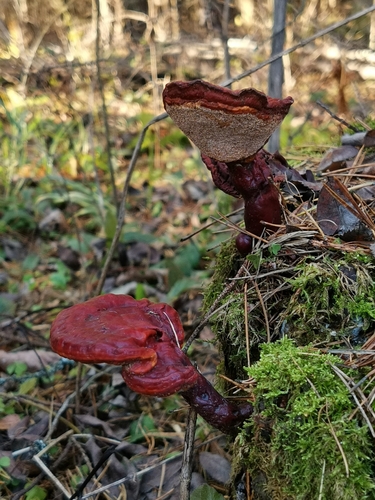
Ganoderma lucidumWoody and genuinely bitter. Nobody eats reishi for pleasure.
Too hard to chew. Sliced and simmered for an hour or more as a decoction, or taken as an extract; the bitterness is usually what people are tasting when they say a product 'tastes like mushroom'.
Cordyceps
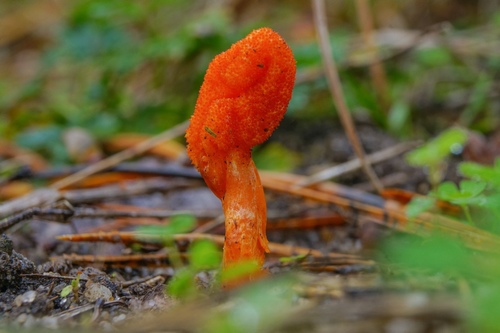
Cordyceps militarisMild, slightly nutty, a little savoury.
The cultivated orange clubs go into soups and broths, and are simmered with chicken or duck in Chinese home cooking. Most supplements are a fermented mycelium rather than the fruiting body.
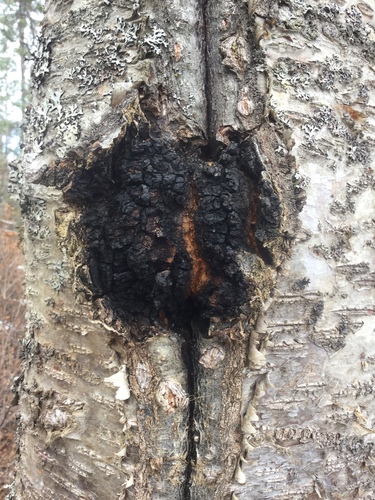
Chaga
Inonotus obliquusDark, faintly vanilla, closer to a weak coffee than to a mushroom.
Not eaten. Chunks of the conk are simmered, or ground and steeped, to make a tea; the same piece is often re-used several times.
Before you cook it Harvesting takes decades of a birch's life to replace. Buy cultivated or responsibly wild-harvested, or leave it on the tree.
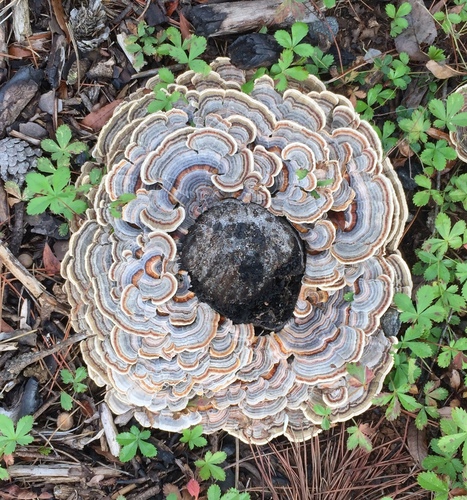
Turkey tail
Trametes versicolorAlmost none. It is thin, leathery and inedible as food.
Simmered for stock and then fished out, or taken as an extract. If you are eating it, you are chewing something with the texture of a shoe.
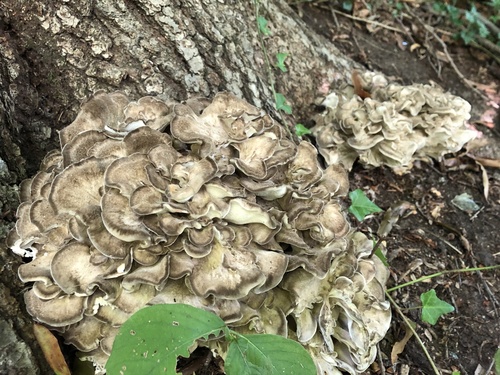
Maitake
Grifola frondosaDeeply savoury and peppery, one of the best-flavoured mushrooms there is.
Torn into fronds and roasted hard, or fried in tempura batter, which is the classic Japanese treatment. Keeps its texture better than most.
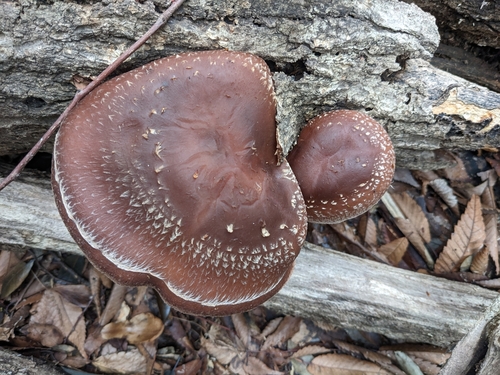
Shiitake
Lentinula edodesStrongly savoury, almost meaty; dried ones are far more intense than fresh.
Stems removed and saved for stock. Dried shiitake soaked in warm water gives you both the mushroom and the most useful cooking liquid in the kitchen.
Before you cook it Eating a lot of them raw or barely cooked can cause shiitake dermatitis, a striking whip-like rash. Cook them.
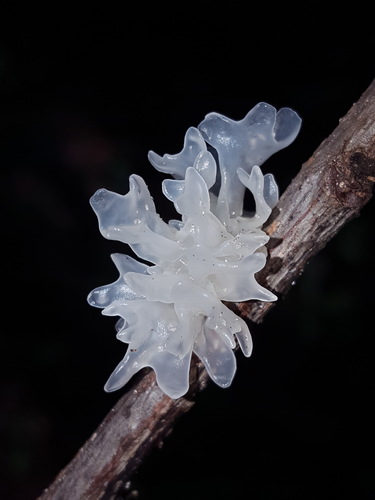
Tremella
Tremella fuciformisVirtually none — it takes on whatever it is cooked in.
Soaked until it swells several times over, then simmered in sweet soup with rock sugar, goji and lotus seed. It is a texture ingredient: crisp and slippery at once.
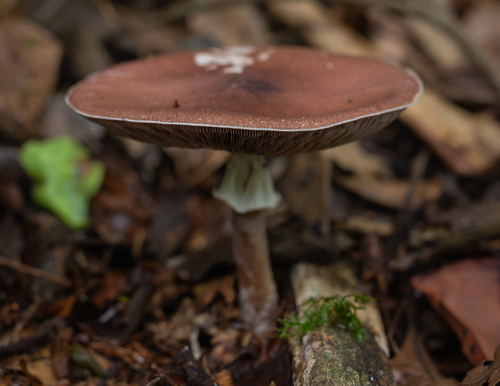
Royal sun agaric
Agaricus subrufescensSweet and almond-like, which is where 'almond mushroom' comes from.
Cooked like any field mushroom, though most of it is sold dried or as an extract rather than eaten fresh.
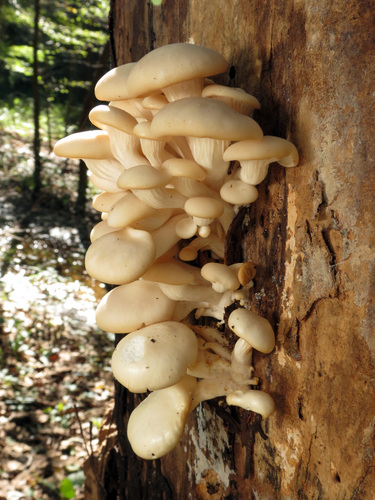
Oyster mushroom
Pleurotus ostreatusMild, a little aniseed when very fresh.
The one to fry hot and fast in a dry pan first. Shredded and fried they are the basis of most of the convincing vegan 'pulled' dishes.
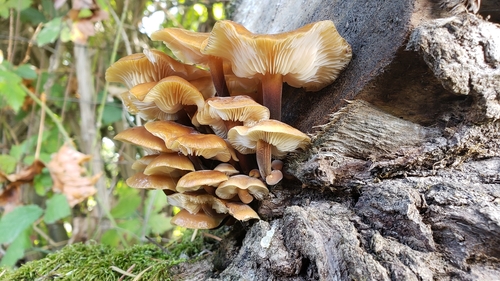
Enoki
Flammulina velutipesClean, mild, slightly fruity.
Added at the end of hot pot and soup so they keep their snap, or roasted in bundles until the ends crisp. The cultivated white clusters are a different thing to look at from the wild brown-capped form.
Before you cook it Enoki has been the subject of repeated listeria recalls. Cook them rather than eating them raw.
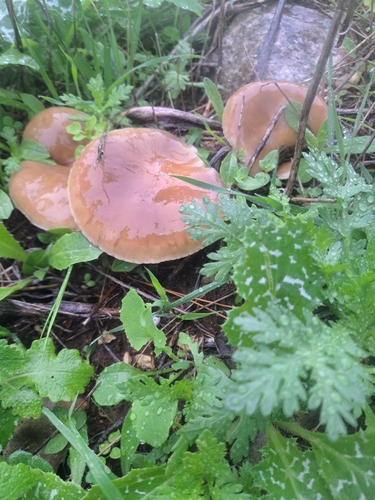
King oyster
Pleurotus eryngiiMild and sweet, with the thickest stem of any cultivated mushroom.
Sliced into rounds and scored, it is the closest thing in the vegetable world to a scallop; cut lengthways it takes a hard sear like a steak.
Poria
Wolfiporia extensaBland and starchy, close to tasteless.
Not a culinary mushroom. Ground into a powder for cakes and congee in China, or simmered inside a herbal formula rather than eaten on its own.
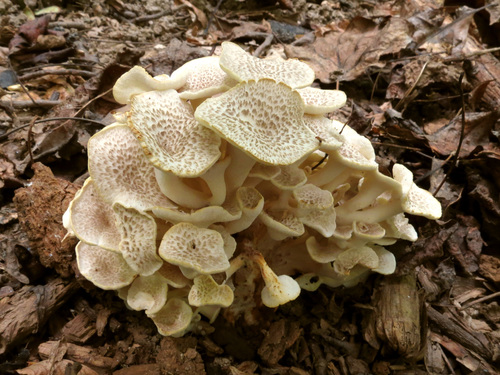
Zhu ling
Polyporus umbellatusBitter and medicinal.
Not eaten. Decocted, and almost always inside a formula with other herbs rather than alone.
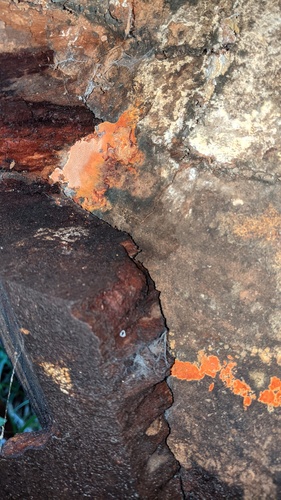
Antrodia
Taiwanofungus camphoratusIntensely bitter.
Not a food. Sold as an extract, a powder or a capsule in Taiwan, where the wild fungus is protected and the supply is cultivated.
Mesima
Phellinus linteusHard, woody and bitter.
Not eaten. Simmered as a decoction or taken as a standardised extract in Korea and Japan.
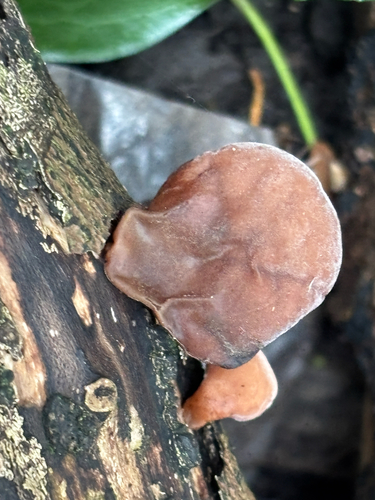
Wood ear
Auricularia auricula-judaeAlmost none. It is eaten for its texture, which is crunchy and gelatinous at the same time.
Soaked from dried, shredded, and used in hot and sour soup, cold dressed salads and stir-fries across China.
Before you cook it Soaking dried wood ear for many hours at room temperature has caused serious bongkrekic acid poisoning. Soak it in the fridge and use it the same day.
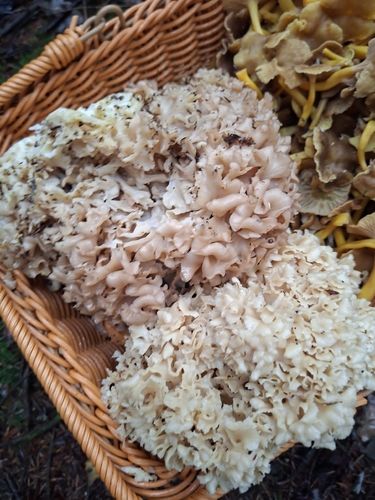
Cauliflower fungus
Sparassis crispaMild, nutty and faintly almond.
Needs careful washing — the ruffles hold grit and conifer litter. Then simmered in soup or fried; it keeps a pleasant bite.
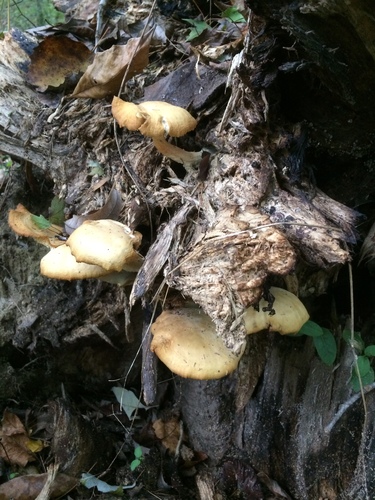
Shimeji
Hypsizygus marmoreusBitter raw, nutty and sweet once cooked. The change is dramatic.
Always cooked, never raw. Pulled into clumps and fried, or added to miso soup and rice dishes.
Before you cook it Raw shimeji is unpleasantly bitter and can upset the stomach.
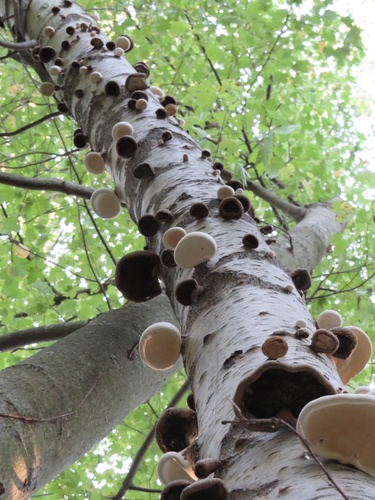
Birch polypore
Fomitopsis betulinaBitter, and tough as cork.
Not food. Thin slices are steeped as a tea; the dried flesh has a long history as a strop for razors and as tinder.
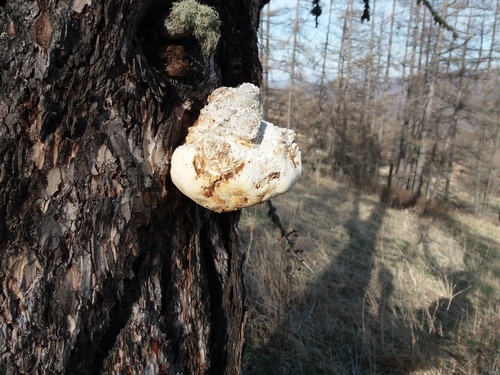
Agarikon
Fomitopsis officinalisExtremely bitter — the old name 'quinine conk' is about the taste.
Not eaten. Historically powdered as a medicine; today mostly a conservation subject rather than an ingredient.
Before you cook it Rare across much of its range and slow to grow. Not something to harvest.
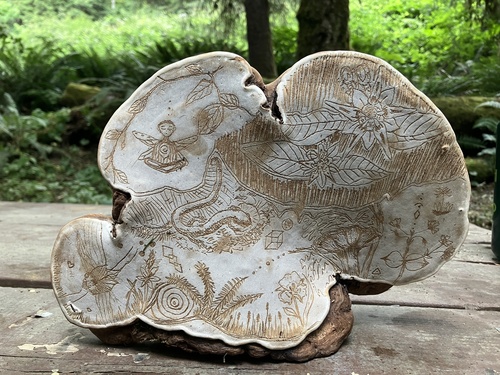
Artist's conk
Ganoderma applanatumWoody, no culinary value.
Not eaten. Simmered for tea, and used as a drawing surface — the white pore layer bruises brown under a stylus and keeps the mark for years.
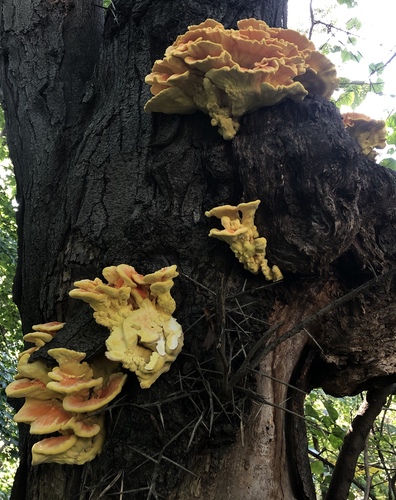
Chicken of the woods
Laetiporus sulphureusMild, lemony, with a texture genuinely close to chicken breast when young.
Only the soft outer growth is worth taking; the older inner flesh goes chalky. Cook it thoroughly and start with a small amount.
Before you cook it One of the commonest causes of stomach upset among edible species, and it upsets some people even well cooked. Specimens from yew, eucalyptus and conifers are best avoided.
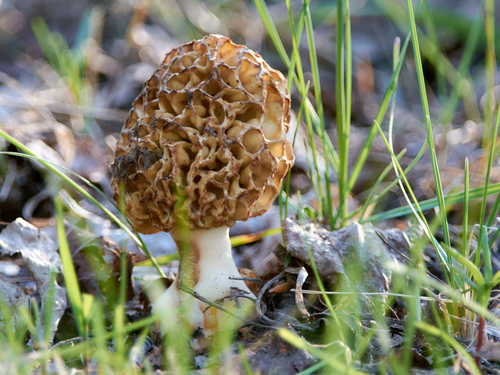
Morel
Morchella esculentaDeep, dark and smoky — among the most prized flavours in European cooking.
Washed carefully, then cooked through in butter and cream; the hollow caps are often stuffed. Dried morels reconstitute better than almost anything else.
Before you cook it Must be cooked. Raw or undercooked morels make people ill, and they should not be eaten with alcohol by anyone who has reacted before. Do not confuse them with false morels, which are dangerous.
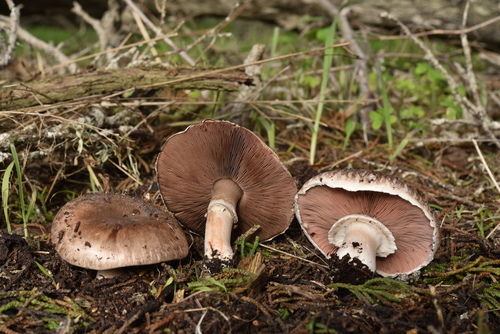
Button mushroom
Agaricus bisporusMild and familiar raw; properly savoury once browned. Cremini and portobello are the same species left to grow on and darken.
The one mushroom most people have actually cooked. Browned hard in a dry pan before any fat goes in, it is a different ingredient from the watery sliced version.